Proven Methods for Securing High-Value Links
Professional plan from $25/month with greater credit limits and concern generation. The best automatic short article composing service depends on your specific workflow, budget, and material objectives. For teams focusing on AI visibility and desiring their content discovered by both online search engine and AI models, Sight AI uses a special mix of SEO/GEO optimization with automated indexing.
Business teams requiring stringent brand consistency should consider Jasper's advanced voice controls and approval workflows. If you're managing several authors or agencies under the exact same brand, those guardrails prevent off-brand material from slipping through.
Writesonic's limitless plan at $20/month delivers remarkable worth for high-volume needs, while Koala's credit-based rates works well for irregular publishing schedules. If SEO performance is your main metric, Internet user AI's SERP combination offers valuable optimization guidance. The real-time rival analysis removes uncertainty from content optimization, revealing precisely what topics and keywords you require to rank.
A lot of platforms offer trial durations or money-back guaranteesuse them to produce sample posts and examine whether the material fulfills your quality bar. The automated content landscape continues developing quickly. Tools that optimize for AI online search engine together with standard SEO are ending up being progressively valuable as more users discover info through ChatGPT and Claude instead of Google.
Scaling SEO Operations for Large Agencies
I've been constructing programmatic SEO pages because the spreadsheet-and-Jinja-template age, back when "scalable content" primarily indicated a couple of thousand thin pages with the city name swapped out. When individuals ask me whether programmatic SEO 2026 is simply the exact same old technique with an AI label slapped on it, my honest response is, "Partially, but not truly." The design templates are still templates.
What's different is what fills the gaps in between the design template and the pageand how fast Google, and now the AI search layer sitting on top of Google, can discriminate between a page built with judgment and a page developed with a for-loop. Old-school programmatic SEO was arithmetic. Take a dataset cities, item SKUs, task titles, whatever cross it with a handful of intent modifiers, and generate one page per mix.
I'll be blunt about something a great deal of SEO material will not state out loud: programmatic SEO with AI is not about creating page copy much faster. That's the least interesting use of it, and it's also the part more than likely to get you penalized if you lean on it without editing.
buy GSA SER project
If you're building pages around, state, 50,000 regional services, an LLM can pull structured characteristics out of messy source data reviews, descriptions, categories that would've taken a human researcher weeks to normalize. This is where the automation in fact conserves time without injuring quality, since you're extracting truths, not inventing prose.
Rather of guessing which keyword variants deserve their own page versus a shared page with an anchor jump, AI-assisted clustering can group search questions by real user intent rather than surface-level string similarity. I have actually seen this cut page count by 30-40% on some projects, which sounds bad up until you understand it also cut thin-content flags by approximately the same amount.
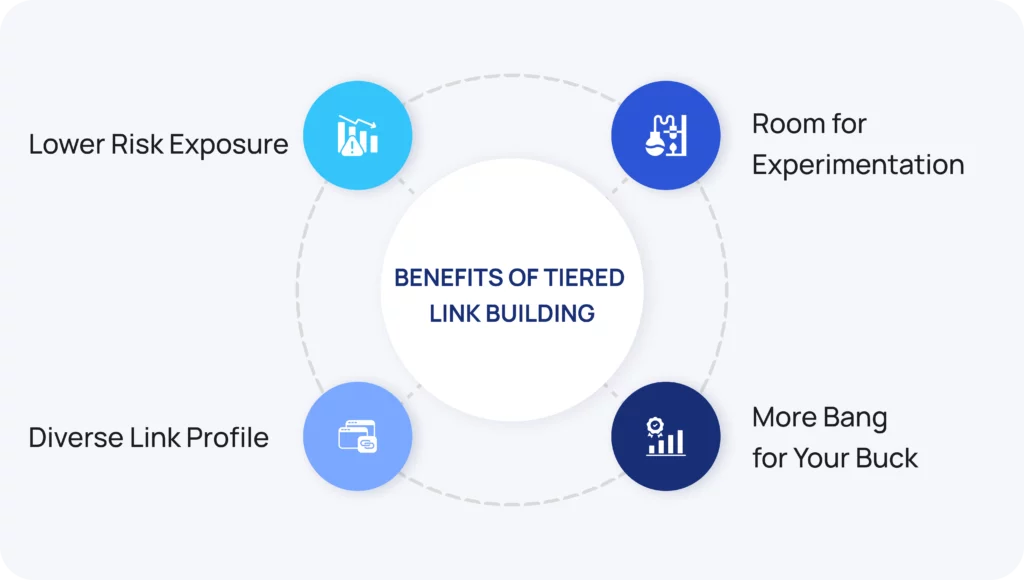
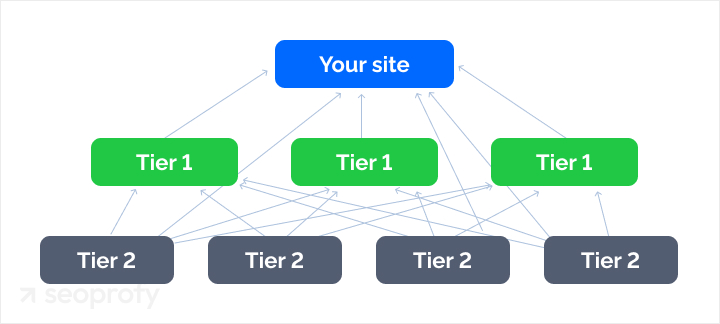
Boosting ROI Through Premium Content and Tiered Links
This one's underrated. Programmatic sites live or die on their internal link graphyou need related pages to appear each other without developing an unnavigable mess. AI models are good at proposing connecting guidelines based on semantic similarity between pages, something that utilized to be a manual taxonomy exercise. Where AI doesn't help, no matter how the vendor pitches it: writing the actual differentiating content on each page.
I have actually watched a client's traffic on a 15,000-page programmatic site stop by half in about six weeks after a "content refresh" that was really just a bulk AI reword. The repair wasn't going back the copyit was going back and including something a design template can't phony: specific facts, sourced numbers, and actual distinctions in between entries.
I'll be blunt about something a great deal of SEO content will not say aloud: programmatic SEO with AI is not about creating page copy faster. That's the least fascinating usage of it, and it's also the part most likely to get you punished if you lean on it without editing.
If you're developing pages around, state, 50,000 local businesses, an LLM can pull structured characteristics out of messy source information evaluations, descriptions, categories that would've taken a human scientist weeks to normalize. This is where the automation in fact conserves time without harming quality, due to the fact that you're drawing out realities, not inventing prose.

Streamlining SEO Operations for Large Agencies
Instead of guessing which keyword versions deserve their own page versus a shared page with an anchor dive, AI-assisted clustering can group search inquiries by real user intent rather than surface-level string similarity. I have actually seen this cut page count by 30-40% on some tasks, which sounds bad till you understand it also cut thin-content flags by roughly the very same amount.
Programmatic sites live or pass away on their internal link graphyou need related pages to surface each other without developing an unnavigable mess. AI designs are decent at proposing connecting rules based on semantic similarity between pages, something that used to be a manual taxonomy workout.
I've seen a customer's traffic on a 15,000-page programmatic site drop by half in about 6 weeks after a "content refresh" that was really simply a bulk AI reword. The fix wasn't reverting the copyit was going back and adding something a design template can't phony: specific facts, sourced numbers, and real differences in between entries.